VITAL WEEKLY REVIEWS

Frans De Waard’s VITAL WEEKLY just reviewed our 4 new releases. Traditionally in his own perculiar way, granted VITAL WEEKLY isn’t a webzine for free jazz or improvisation in general, but at least he keeps on giving the music a platform. This we can only appreciate. Our four releases are of course available through our bandcamp store.

Not for the first or last time, there is a lot of free improvisation coming our way. If we stop at Vital Weekly 1500, which is still very possible, that is no doubt one of the reasons. It can be sooner if I come across ‘Vital Weekly – leading publication for all things jazz’. What was never our primary interest, seems to have become one. There’s a label whose releases I like very much, and I started a modern composition division, which is not my thing and who asked me: ‘Why don’t you review all my releases?’. Suppose they’d open a country & western division. Would they expect me to move along? Would the readership of Vital Weekly expect this?

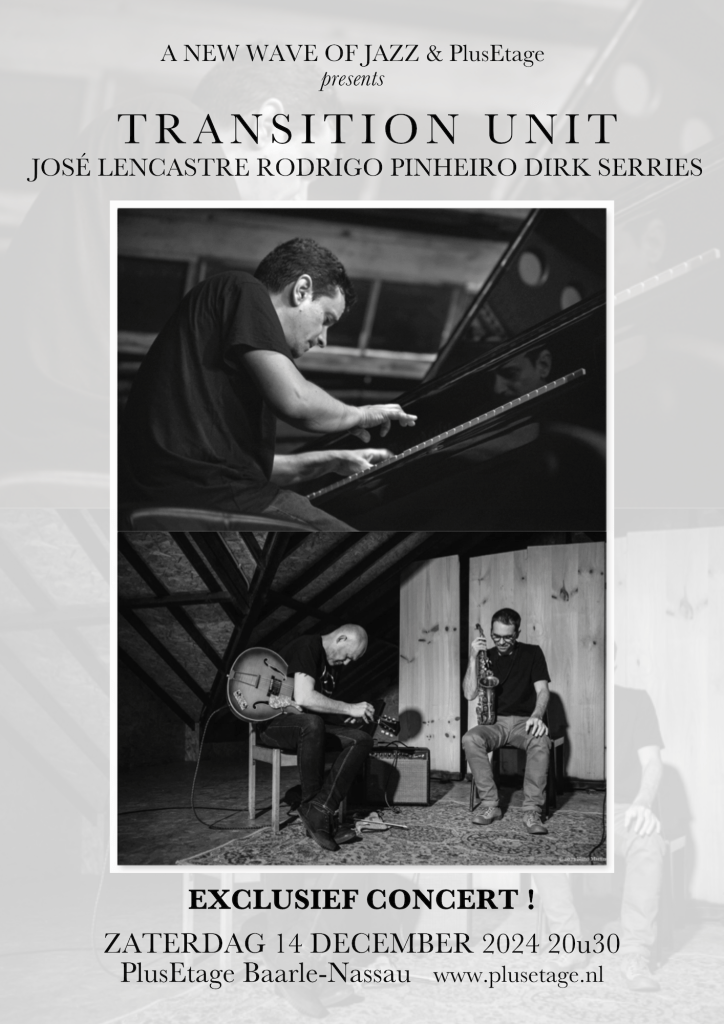
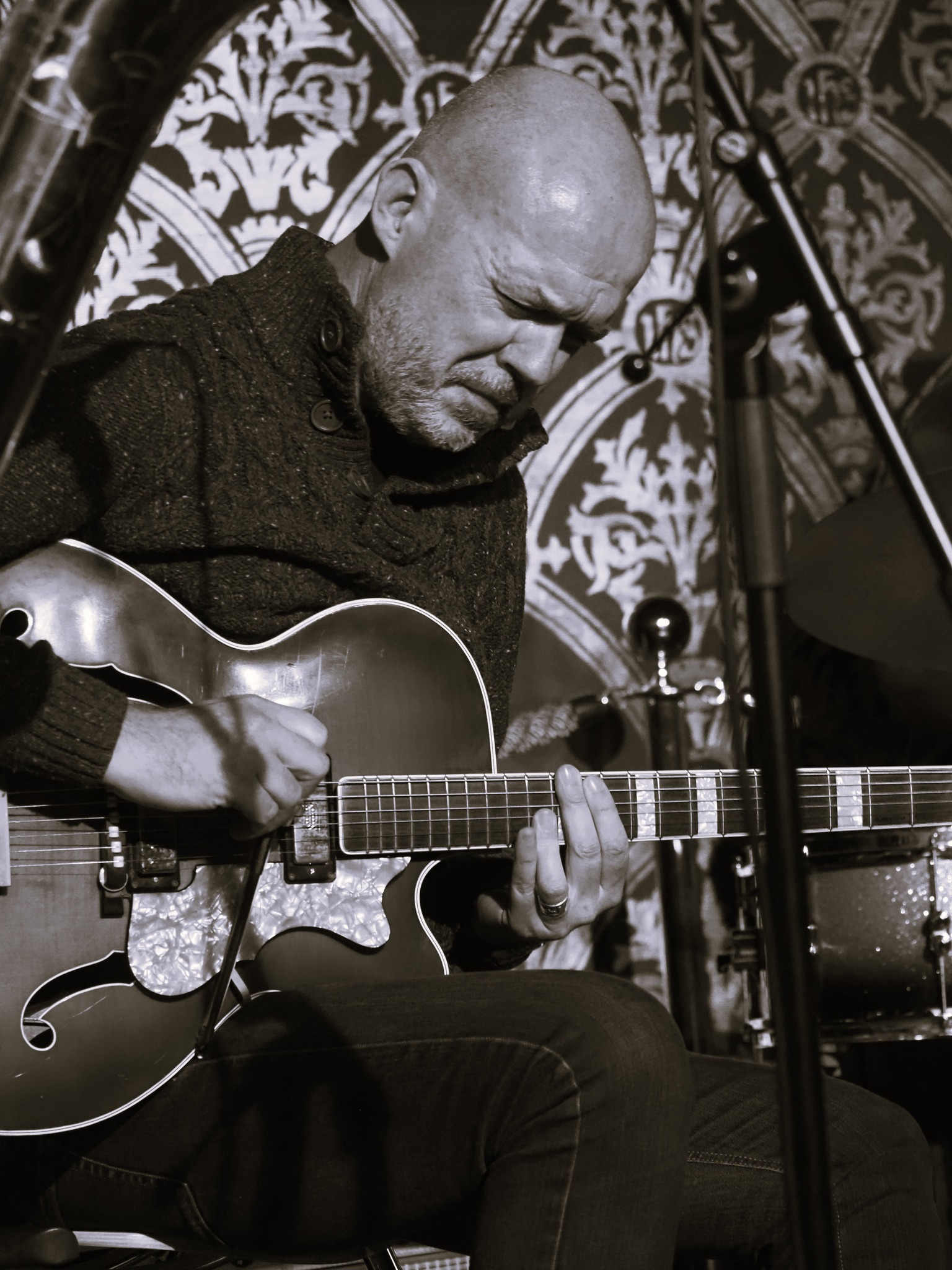
For a long time, Dirk Serries’ music was very much Vital Weekly music, with the likes of Vidna Obmana and Fears Falls Burning, but also some recent solo releases. However, for about ten years, Serries is also heavily into free improvisation and free jazz, and I reviewed many of his releases, if not all. This recent bunch sees him further down that road with many musicians he works with. I don’t think I heard his trio Transition Unit before, with Serries on archtop guitar, Jose Lencastre on alto, tenor saxophone, and Rodrigo Pinheiro on a grand piano. This is a conventional release in terms of instrument approach; each instrument sounds as it should be, especially the saxophone and the piano. The guitar is the oddball here, with Serries going all wild on the strings and
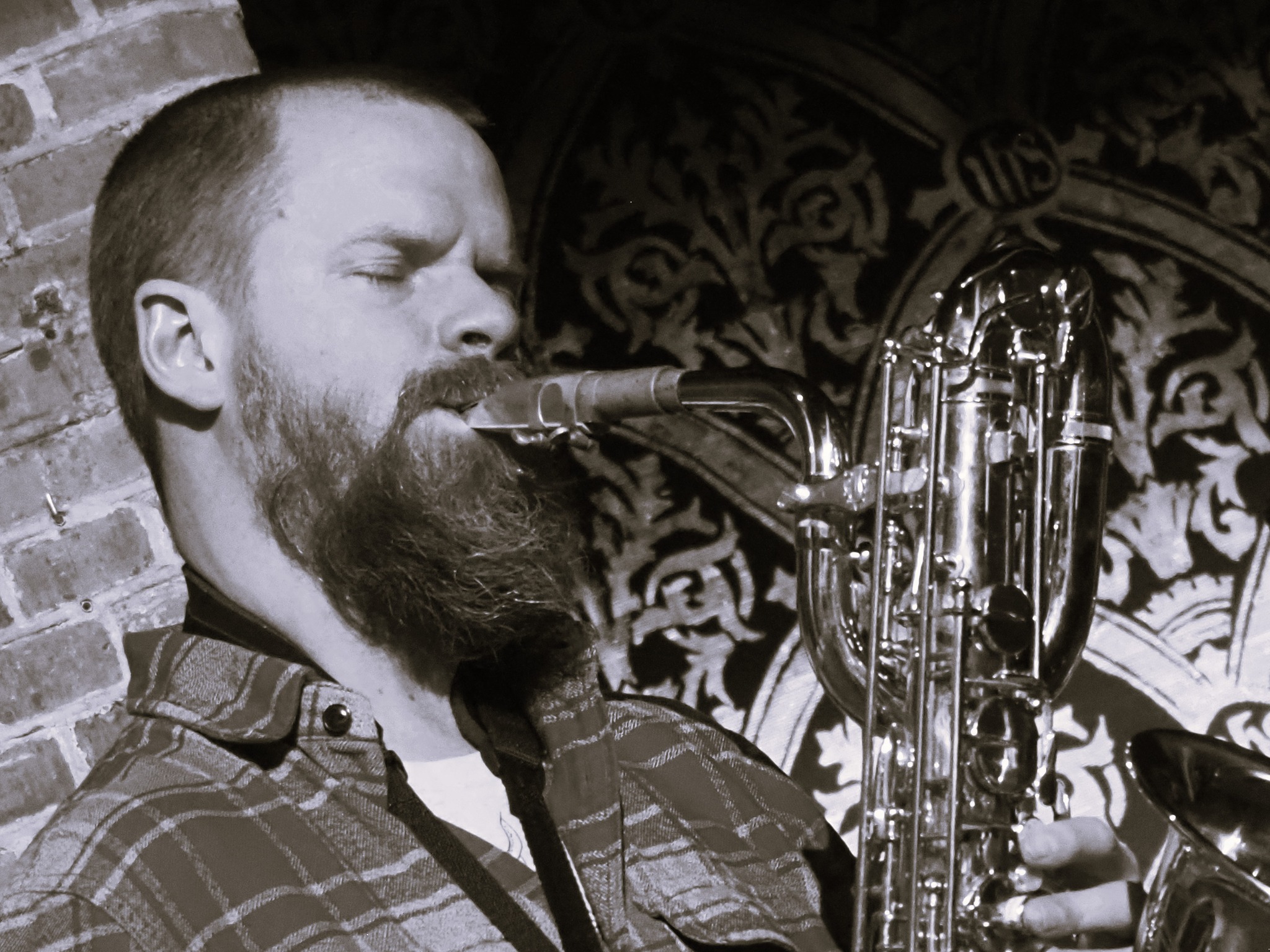
the other two’s hecticness and nervousness. The saxophone takes the lead, and that’s not for the first time. Maybe it’s the way this instrument or the player’s personality (I don’t know Lencastre, so I am taking a wild guess here), but his playing is dominant all around, with Serries sometimes being a bit lost. Very free jazz, as much as I can make (the traditional liner notes by Guy Peeters no longer grace the covers of these releases) of this, and sound at 51 minutes enough for one day – I am taking these, as the doctor ordered, one a day. Each of the six pieces has an individual title, but they were challenging to tell apart.

Because Lencastre is also on another CD with Serries, it’s time for the Lemadi Trio on the second day. Lencastre only brought his alto saxophone to the Serries’ home studio on Match 9, 2024, with Serries on guitar and his partner Martina Verhoeven on piano. The saxophone is also the leading instrument, but the music is a bit different. Sure, there is a lot of improvisation here, too, but it’s sometimes with a different amount of chaos than with the Transition Unit. Especially Serries and Verhoeven do some spooky stuff on their instruments and what that is, I am not sure of, but it sounds good. The domineering saxophone is sometimes in the way of their playing, too loud, too much foreground. I say there isn’t the same amount of chaos, but that doesn’t mean it’s absent, it still is very much part of the fabric of the music. It’s the difference with Transition Unit, which I enjoyed most, mainly with the playing of Verhoeven and Serries.

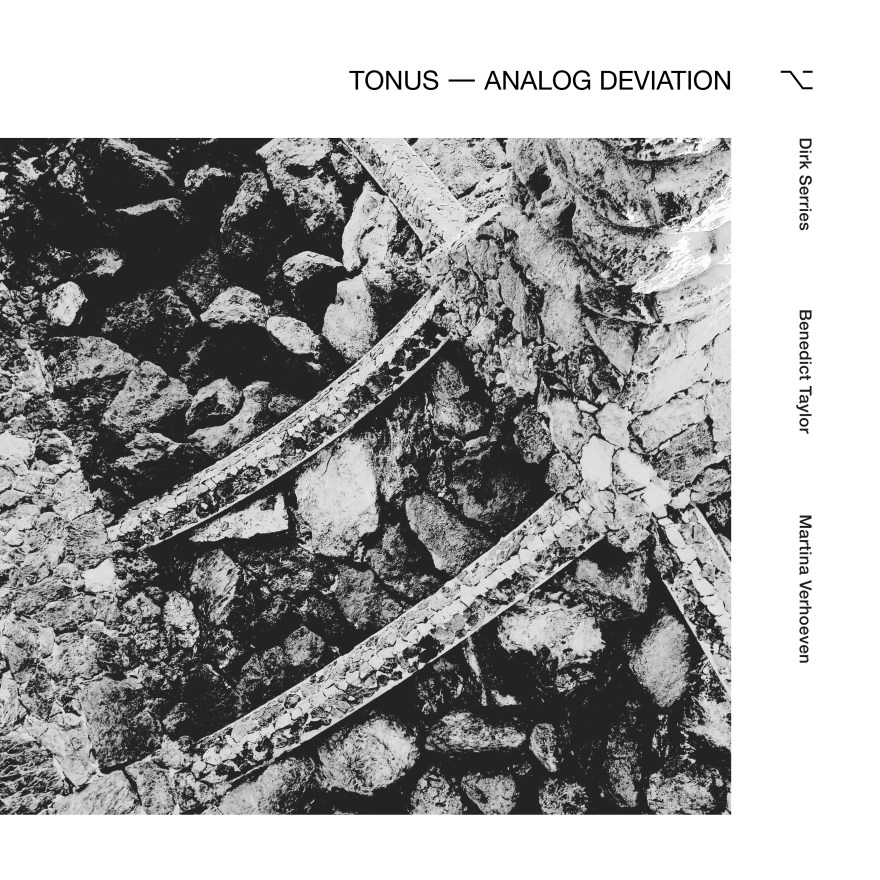
Verhoeven and Serries, this time on grand piano and archtop guitar, play with various people in an ad hoc ensemble called Tonus, incidentally, also the only one I saw live. On ‘Analog Deviation’, they play with Benedict Taylor on viola and broken fiddle. Spoiler alert: it is also the only CD without a saxophone. Also, a home recording from 2023, and they recorded two pieces, in total,
52 minutes of music. The concert I heard (in 2019) was an enjoyable, quiet affair, which might be what Tonus is about. After the at times violent chaotic moves of the previous two releases the silence of Tonus is a wealth to hear. Also, the non-domineering role of any instrument is interesting. This release has more of a conversation between three equal players. And, like any good conversation or discussion, there are moments in which things get heated, and people don’t listen, which leads to inevitable chaos. But with this trio, such a discussion works quite and there and they return to a safer ground of instrument exploration. There is little free jazz going on here and more free improvisation, with the instruments not always sounding as they are supposed to, which I always enjoy.

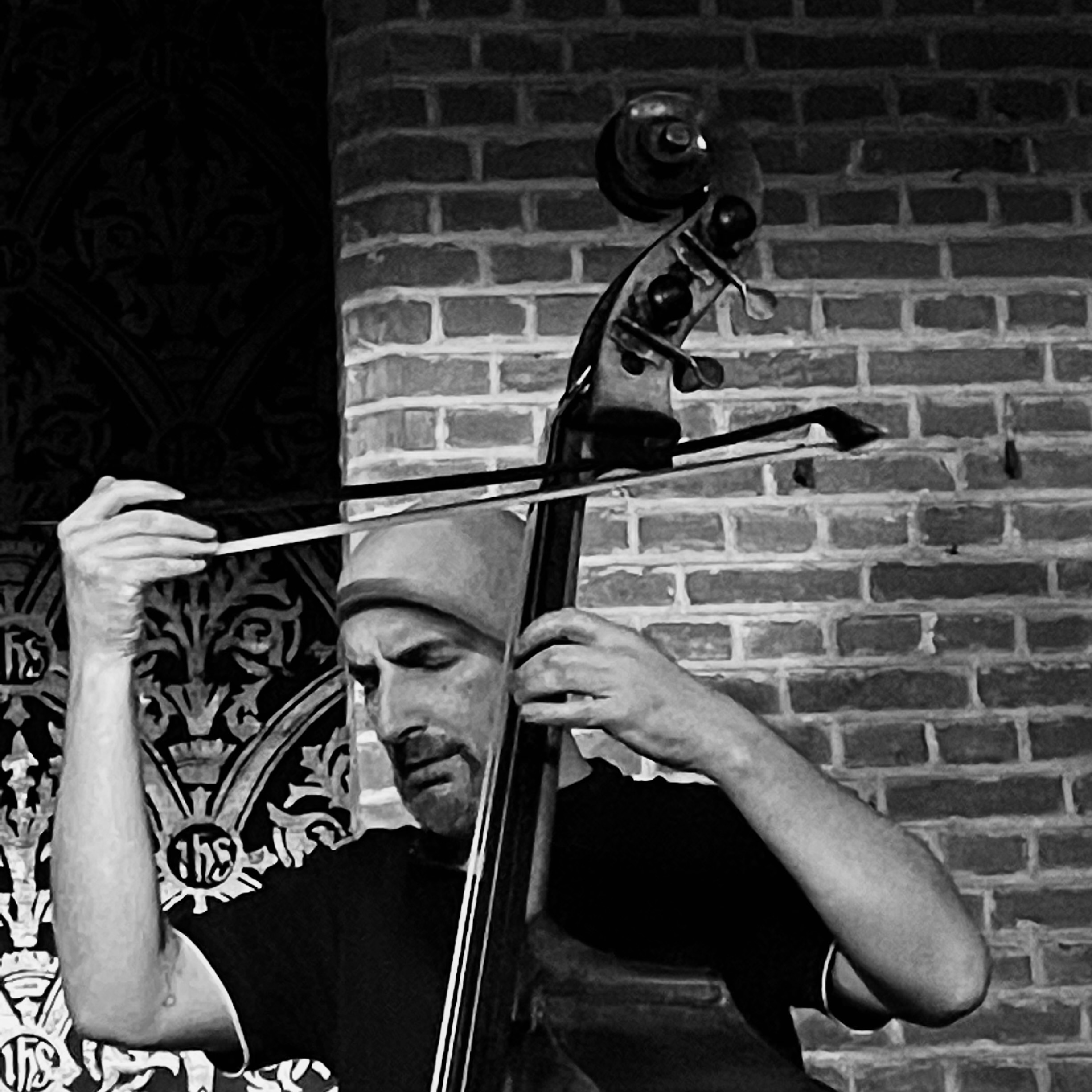
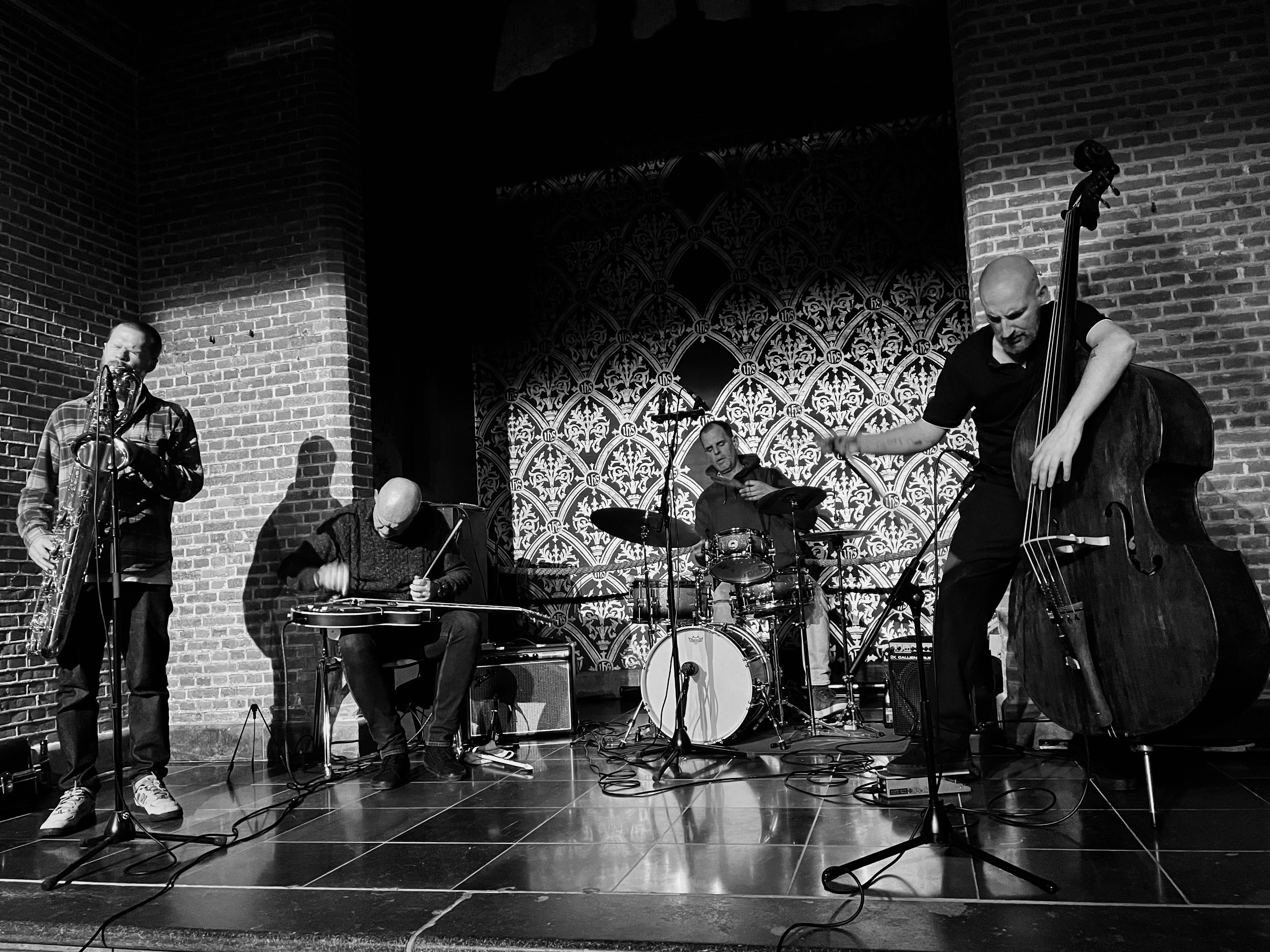
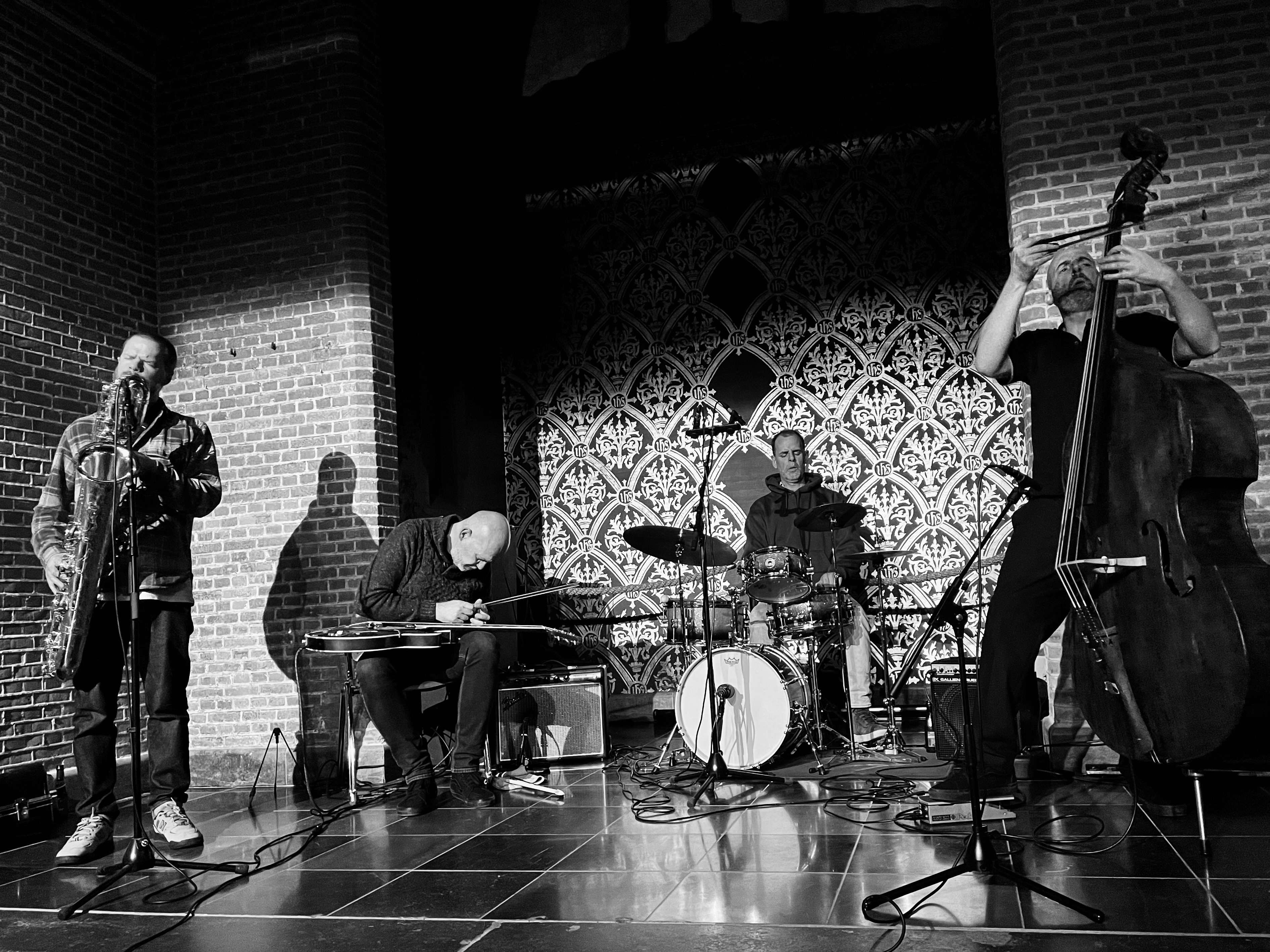
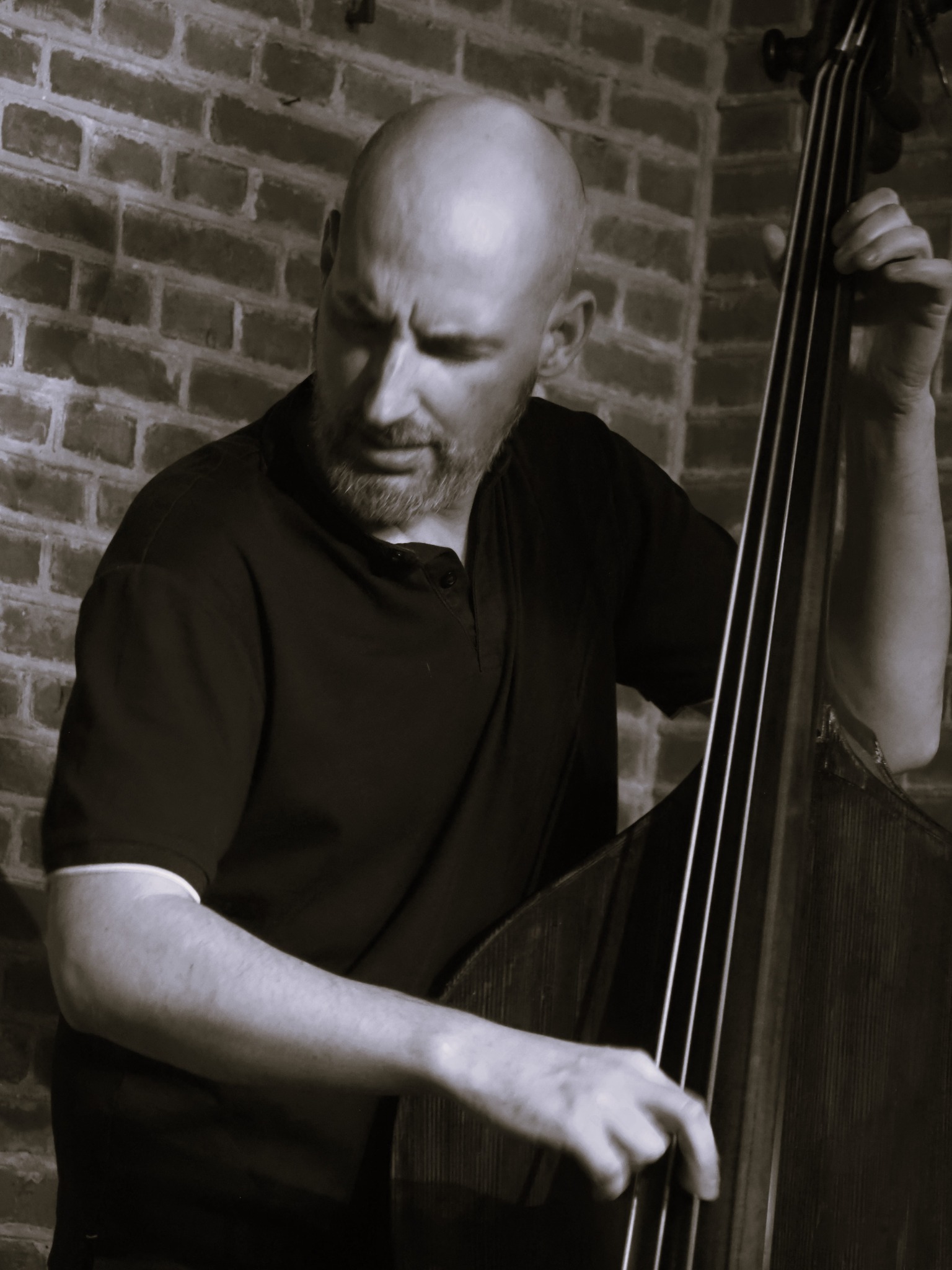
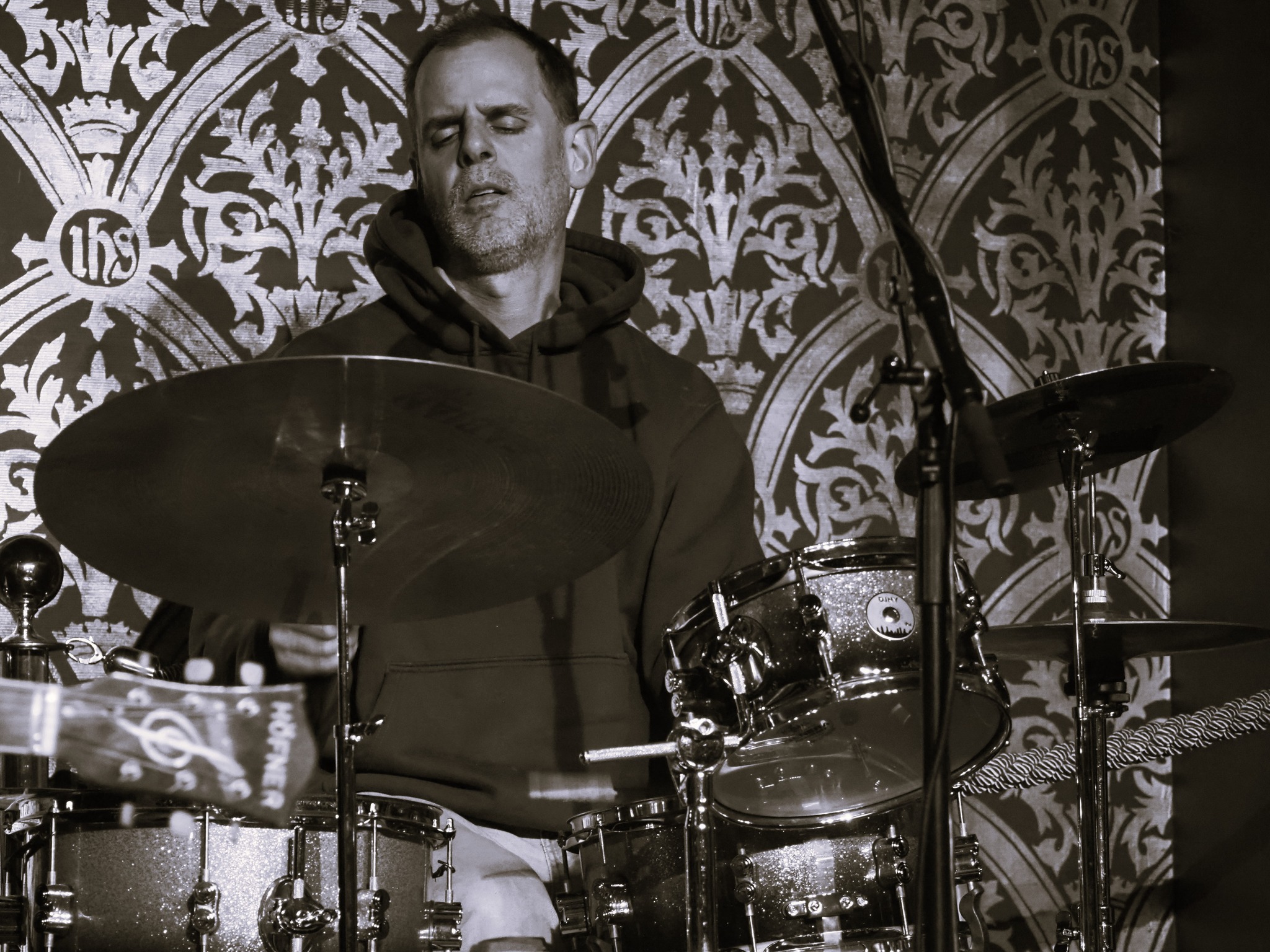
The most extensive lineup (or the only non-trio release) is the Martina Verhoeven Quintet, with Verhoeven on grand piano, Serries on guitar, Colin Webster on alto sax, Goncalo Almeida on double
bass and Onno Govaert on drums. They played in Paradox, Tilburg, on 12 February 2023. Scratch what I said earlier about chaos, as this quintet takes chaos to the next level. Each of the instruments is played as it is supposed to be, and some of the players use other techniques – inside piano is something I may have heard here. They played 43 minutes, or perhaps that’s what is left after editing, and occasionally, they leave some room for the listener (present in concert and at home, listening to the CD) to grasp for breath before kicking off again with some more mayhem and destruction. I am sure jazz musicians don’t use these words, but that’s how it comes across. It is not my cup of tea, but once every now and month, this is something suitable and nice, offering another perspective on noise music.

JAZZ WORD REVIEWS

Ken Waxman of JAZZ WORD (Canada) just wrote a lovely combined review on two releases (on A New Wave Of Jazz and Klanggalerie) which both features Dirk Serries on guitar. For best effect we’re keeping the review here intact.
LEMADI TRIO’s Tryptophan Suite is available here, SERRIES/AMADO/LISLE’s The Invisible here.

Expanding his collaborations with other creative musicians here, Belgian guitarist Dirk Serries is part of two trios which each feature a different Portuguese saxophonist. Equally compelling, though recorded almost two years apart, The Invisible couples the guitarist with tenor saxophonist Rodrigo Amado, an Iberian veteran in numerous international combinations, plus  regular Serries associate UK drummer Andrew Lisle. Tryptophan Suite on the other hand links Serries with alto saxophonist José Lencastre, who has performer with the likes of Carlos Zingaro, plus on electric piano, the guitarist’s long-time associate and spouse Martina Verhoeven.

The presence of a percussionist defines how each session evolves. Lisle’s drum ruffs, rumbles and rebounds plus cymbal clanks and scratches give the other two a shifting but solid foundation on which to express themselves. Even Lisle’s brief unaccompanied solo on the title track adds to the overall structure rather than focusing attention on itself. Often knitting together simple and repeated notes and patterns, the saxophonist and guitarist also create their own motifs, reflecting tempos and connections. Amado’s expressions range from the technical to the traditional. Throughout he stretches timbres with multiphonic slurs, doits and spiraling vibrations. while there are points where his output is more languid and linear. During those interludes half-swallowed tones. pauses and straight-ahead elaborations of songbook standards hover, but never long enough to be fully defined.

Still these characteristics are elaborated on the lengthy “Tapestry” , which also provides space for the string strategies Serries pursues throughout. Positioning himself between Lisle and Amado, his playing veers from powerful drones and metallic clanks to string-ringing and horizontal comping. On “Tapestry” these devices serve as challenges to reed motifs. As Amado’s slides from note-bending tonguing and emphasized honks to almost vibrato-less trills and nearly inaudible timbral smears, Serries provides the proper rejoinder, or pushes the other musicians with jagged frails or vibrant string stings to dedicated theme variations.

Without a percussionist, but adding a chordal instrument, 19 months later as the Lemadi Trio, it’s Serries whose tough strums provide the rhythmic bottom during two untitled improvisations. With Lencastre’s reed constructs encompass similar, if not more intense bitten-off split tones, altissimo cries and pinched whines as Amado, it’s often the guitarist’s string shredding and chunky strums which keep the broken octave program developing without the saxophonist dominating the aural real estate.

Not that he’s alone. Verhoeven main contributions may pivot towards gentle keyboard ripples, isolated note plinks and bright tonal patterns, but she sometimes breaks up the others dense expositions with energetic glissandi and staccato emphasis.

By the second part of the concert without lessening dynamism, the sequences become more reflective and settled, including multiplying brief silent pauses. The pianist adds stop/start bounces and wider, more regularized arrangements, allowing the guitarist to ease out of the rhythmic role, setting aside continuum creation for string rubs, twangs and woody frails. Reed emphasis is still harsh and aggressive, but as the pianist and guitarist reach a similar mixture of andante projection the resulting narrower focus unites strands at the conclusion. Serries seems determined to expose his guitar techniques in numerous situations. Yet these discs show how diverse the result from nearly instrumentally similar trios can be.

NIEUWE NOTEN REVIEWS

Ben Taffijn’s NIEUWE NOTEN just reviewed our brand-new releases. All four albums are available through our bandcamp store. All reviews are in Dutch.

TRANSITION UNIT – FACE VALUE (cd)
José Lencastre : alto & tenor saxophones
Rodrigo Pinheiro : grand piano
Dirk Serries : archtop guitar

“Het lijkt alsof we aan het begin van ‘Idea Assumption’, de opening van ‘Face Value’ te maken hebben met een contrabas, maar het is toch echt Serries, in de weer met zijn strijkstok. Het begin van een opvallend abstract stuk, zeker in vergelijking met de muziek op ‘Canonical Discource’. Pinheiro strooit zijn noten in het rond, terwijl we Lencastre, nu op tenorsax, de gaten horen vullen. Een weerbarstig stuk deze vrij korte opener. ‘Grasping’ klinkt dan aanvankelijk weer zeer melodieus, met langgerekte bewegingen van Lencastre en goed geplaatste noten van Pinheiro en verderop Serries en bijzonder hoe de abstractie hier verderop zijn intrede doet en die melodie volledig wegdrukt. Ronduit onstuimig gaat het eraan toe in ‘A Western Decorative Pattern’, Lencastre scheurt hier de rust finaal aan flarden met zijn tenorsax, mooie duetten vormend met Pinheiro, terwijl Serries het geheel op stoom houdt. In het duet tussen Pinheiro en Serries, verderop gaat het er rustiger aan toe, maar niet minder abstract. ‘Face Value’ is een zeer spannend stuk, met name door de vrij duistere, minimalistische pianoaanslagen en de gruizige klank van Serries. Uiterst ingetogen klanken aanvankelijk in ‘A Theme of Myth’, wat terloops aandoend. Al snel loopt de spanning echter weer op, met name door de krachtige bewegingen van Lencastre en Pinheiro. We eindigen dit album met ‘The Utopian Dadaist’, een bijna clownesk springerig stuk, met mooie ritmische patronen, in perfecte samenhang.”

TONUS – ANALOG DEVIATION (cd)
Dirk Serries : archtop guitar
Benedict Taylor : viola, broken fiddle
Martina Verhoeven : grand piano

““‘Analog Deviation’ is opgenomen in de studio, bij Serries thuis. Twee stukken bevat het, ‘Inbound’ en ‘Outbound’. Hét kenmerk van Tonus is de aandacht voor ingetogen klanken, iets dat we ook op dit album volop meekrijgen. In eerste instantie horen we de drie in opperste harmonie met fragiele bewegingen van het snarenspel en ja Verhoeven beroert soms een enkele toets. Een wonderlijk klankspel waarin hoegenaamd niets gebeurd, muziek zonder enige vorm van progressie. Iemand krast over een snaar, de ander plukt eraan, iedere keer weer een andere klank. Het kraakt, wringt en sputtert naar hartenlust. Spel dat je dwingt tot geconcentreerd luisteren, om geen nuance te missen. Vrij duistere muziek ook in dat ‘Inbound’, de spaarzame noten die Verhoeven aanslaat zitten vrijwel altijd in het lage register en ook Serries en Taylor zoeken de wat meer donkere klanken. Mooi ook die door Taylor geïnitieerde gelijknamige bewegingen verderop in dit eerste stuk, waarna er toch even iets meer dynamiek in de muziek kruipt, zelfs iets van een gemankeerde ritmiek. ‘Outbound’ begint al even ingetogen, maar bezit direct al wat meer structuur. En in dit deel is de piano sterker aanwezig dan in ‘Inbound’ en is het klankpatroon minder duister. Al kan het hier soms ook goed wringen en knarsen, mede met dank aan Taylor. Als mooi voorbeeld van dat laatste kan die passage rond de twaalfde minuut dienen, ik trek mijn opmerking over “minder duister” direct weer in. En soms, zoals even hierna, lijken we meer met percussie van doen te hebben, dan met de combinatie altviool – gitaar – piano, duidelijke gevolgen van een wederom onorthodoxe instrumentbehandeling. Dan bewegen we ons reeds richting het einde van dit stuk, met een opvallende ritmiek van Verhoeven in het hoog en stroef spel van de beide snaren bezitters.”

LEMADI TRIO – CANONICAL DISCOURSE (cd)
José Lencastre : alto sax
Dirk Serries : archtop guitar
Martina Verhoeven : grand piano

“‘Canonical Discourse’ begint met een patroon, bestaande uit afwisselend lage en hoge noten van Lencastre’s altsax, afgewisseld met spel onder de klep van Verhoeven en wat scherp aangezette accenten van Serries. Geleidelijk loopt het tempo op en klinken op piano ook de eerste klanken van de toetsen. De klank van het trio heeft hier wel iets van een vreemd apparaat dat langzaam op stoom komt. Dan valt het stil, waarna donkere klankwolken door Serries’ studio trekken, gevolg door trillend hoge klanken van Lencastre, voorzien van een flinke dosis weemoed. Verderop gekraak en geritsel – of we door het bos lopen – en een enkele afgestopte pianoaanslag. Fijnzinnigheid ten top. En wanneer Lencastre er verderop meerdere keren doorheen breekt is dat wederom met een diepgravende en krachtige klank. In ‘Tenets of System’ blaast Lencastre een opvallend melodieuze solo, één waarin hij zich een prima verhalenverteller betoont, terwijl Verhoeven en Serries hier zorgen voor onderliggende spanning. Spanning die verderop tot alarmerende hoogte stijgt en de melodie wegdrukt. Opvallend zijn die omtrekkende bewegingen van Serries en Verhoeven in ‘Disjuncture’, abstracte klankuitingen, waarin het toeval overheerst en die een mooie voedingsbodem bieden voor ook hier weer opvallend melodieuze wendingen van Lencastre. Het stuk eindigt met een prachtige, bijzonder introspectieve solo van Lencastre, subtiel begeleid door de twee andere leden van dit trio. Nog subtieler klinkt het laatste stuk, ‘Little Emphasis’, met wederom prachtig saxofoonspel van Lencastre, een harmonieus geheel vormend met de klanken van Serries en Verhoeven, vooral die laatste valt hier op met haar regelmatige patronen in het hoge register.”

MARTINA VERHOEVEN QUINTET – INDICATOR LIGHT (cd)
Gonçalo Almeida : double bass
Onno Govaert : drums
Dirk Serries : archtop guitar
Martina Verhoeven : grand piano
Colin Webster : alto sax

“Mooi dat het enerverende concert dat het Martina Verhoeven Quintet op 12 februari vorig jaar gaf in het Tilburgse Paradox nu ook op Cd verkrijgbaar is. Een soort van vervolg op het optreden dat hetzelfde kwintet gaf tijdens het Roadburn Festival in 2022 en dat later dat jaar onder de titel ‘Driven’ verscheen bij Klanggalerie. Heel uitgebreid stil staan bij dit album doe ik dan ook niet, dat deed ik immers reeds. Maar het is voor mij natuurlijk wel leuk om nu de Cd er is nog eens het verslag bij het concert door te lezen, met de vraag in het achterhoofd: hoe goed heb ik toen geluisterd? Nou, best goed, zo blijkt – en nee, ik heb achteraf niets aangepast. Een inderdaad onstuimig concert, wel wat lijkend op dat van het tentet in Londen, alleen nu met maar één blazer, in plaats van vijf. De enige die wat meer aandacht had mogen krijgen is Verhoeven zelf, die met name in die dynamische passages voor flink wat reuring zorgt. Bij deze rechtgezet.”

HAPPY RELEASE DAY

HAPPY RELEASE DAY :
TRANSITION UNIT – Face Value cd
TONUS – Analog Deviation cd
LEMADI TRIO – Canonical Discourse cd
MARTINA VERHOEVEN – Indicator Light cd

it’s also your last chance to save some nice money with ordering the 4CD bundle (minimum 12 EUR on domestic orders, 21 EUR for all European shipments to 22 EUR for all overseas orders). Last day for this bundle. Thanks for your support.

newwaveofjazz.bandcamp.com/merch/pre-order-4-new-releases-valid-thru-october-15