Great supporter of the free improvisation/free jazz, critic Georges Tonla-Briquet wrote a nice feature on our last 4 releases for the JAZZ’HALO webzine. The albums are of course available through our bandcamp.
Vier recente releases op het Belgische kwaliteitslabel dat zich onverminderd profileert als thuishaven van improvisators die probleemloos uitersten aan elkaar rijgen. Elke cd wordt gepresenteerd in sobere uitvouwbare digipack met telkens een cryptische zwart-wit foto van Martina Verhoeven.
Transition Unit – Face Value nwoj066
Dirk Serries, gitarist en labelbaas van A New Wave Of Jazz, bouwde door de jaren heen een stevige band op met de gelijkwaardige improscene in Portugal.
‘Face Value’ werd dan ook niet toevallig opgenomen in de Estúdio Timbuktu (Lissabon) met aan zijn zijde alt- en tenorsaxofonist José Lencastre en pianist Rodrigo Pinheiro. Zes nummers die titels meekregen als ‘Idea Assumption’, ‘Grasping’, ‘A Western Decorative Pattern’, ‘A Theme Of Myth’, ‘The Utopian Dadaist’ en ‘Face Value’.
We horen drie detaillisten die onverstoord ideeën naar voor brengen en die samen rustig uitwerken. De poëtische kant van improvisatie maar nog wel met onderliggende spanning. Althans die indruk geven ze mee in het begin. Meer dan regelmatig doorbreken ze dit imago en worden de dialogen bitsiger, zij het steeds met eenduidige visie. Het zoeken naar zowel bekende als onbekende facetten blijft centraal als expressie van hun denkwijze. Drie meesters in het creëren van auditieve stereogrammen als het ware.
Tonus – Analog Deviation nwoj067
Een titel die kan refereren naar frequenties en modulaties maar hier verwijst naar twee “composities” met als titels ‘Inbound’ (23’52) en ‘Outbound’ (28’28).
Alles speelt zich af rond stilte waarin de drie protagonisten (gitarist Dirk Serries, violist Benedict Taylor, pianiste Martina Verhoeven) zich bewegen en met elkaar contact zoeken via vrij gestructureerde organische klankencombinaties die ze creëren door hun instrumenten op ongewone manier te bespelen. Twee verhalen over innovatieve nieuwsgierigheid waarbij minuscule cellen verbonden worden tot een totaalbeeld.
Een ongewone vertelvorm die de nodige concentratie-inspanning vergt van de luisteraar.
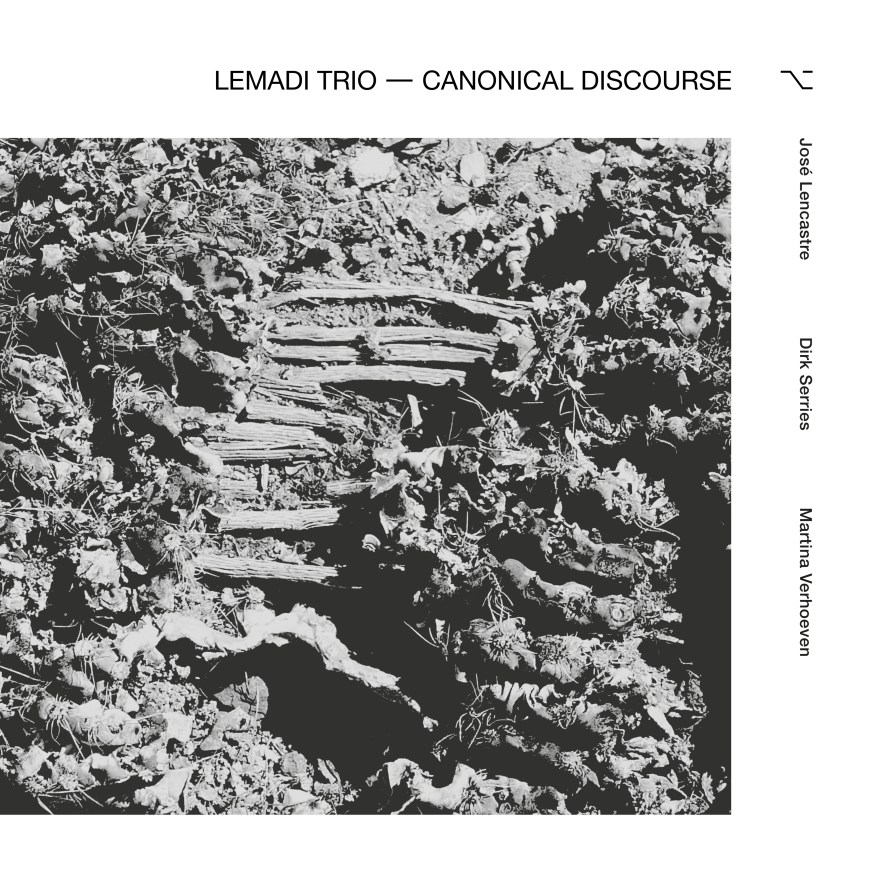
Lemadi Trio – Canonical Discourse nwoj068
Altsaxofonist José Lencastre, gitarist Dirk Serries en pianiste Martina Verhoeven in gesprek aan de hand van improvisatorische technieken.
Niet het absolute canon maar wel een intense luisterbeleving zoals al meteen in de openingstrack ’Detached Mode’ blijkt waarin de hyper nerveuze uitwisselingen na een plotse breuk in schril contrast worden geplaatst met stilte en uiterst behoedzame spielereien van het trio. Het dwingt respect af hoe deze drie protagonisten telkens hun instrument op dergelijke wijze weten te bespelen dat er nieuwe details en akoestische effecten opduiken. Dit laatste aspect zorgt voor een heel organische evolutie van hun dialoog die opgedeeld is in vier hoofdstukken.
Naast ‘Detached Mode’ komen verder thema’s aan bod als ‘Tenets Of System’, ‘Disjuncture’ en ‘Little Emphasis’. De lengte varieert tussen elf en vijftien minuten. Het scenario verloopt telkens volgens een licht gewijzigde opbouw met steevast nieuwe elementen en enkele extreme afwijkingen. Daarbij worden andere accenten geplaatst, maken ze gebruik van een eigenwijze rolverdeling volgens de principes van hun systeem en introduceren ze onverwachte kantelpunten.
Ondanks een spel van disjunctie blijft een samenhang gegarandeerd. Opgenomen op 9 maart 2024 in de “home studio” van Serries en Verhoeven.
Martina Verhoeven Quintet – Indicator Light nwoj069
Live opgenomen op 12 februari 2023 in de Tilburgse Paradox. Pianiste Martina Verhoeven was omringd door contrabassist Gonçalo Almeida, gitarist Dirk Serries, altsaxofonist Colin Webster en drummer Onno Govaert. Kortom, vertrouwde namen.
Een behoedzame intro door contrabassist Almeida wordt na zo een twee minuten verstoord door de overige groepsleden wat al snel ontaardt in een vertrouwde chaos. Het goochelen met perspectieven is een van de talrijke kenmerken. Vooral saxofonist Webster munt uit door boven iedereen helemaal uit de bol te gaan. Op de achtergrond blijven de anderen even heftig knallen.
Na negen minuten lassen ze een korte adempauze in en zijn het drummer en contrabassist die de stippellijnen uittekenen voor wat langzaam uitmondt in een nieuw energiek treffen. Ze koppelen repetitieve achtergrondclusters aan rechtstreekse uitvallen met abrupte intervallen. Knappe passage na vijfentwintig minuten waarin eerst Verhoeven enkele accenten solo plaatst en nadien een stilte laat volgen die sprokkelend opgevuld wordt. Met driftige climax zoals het hoort.
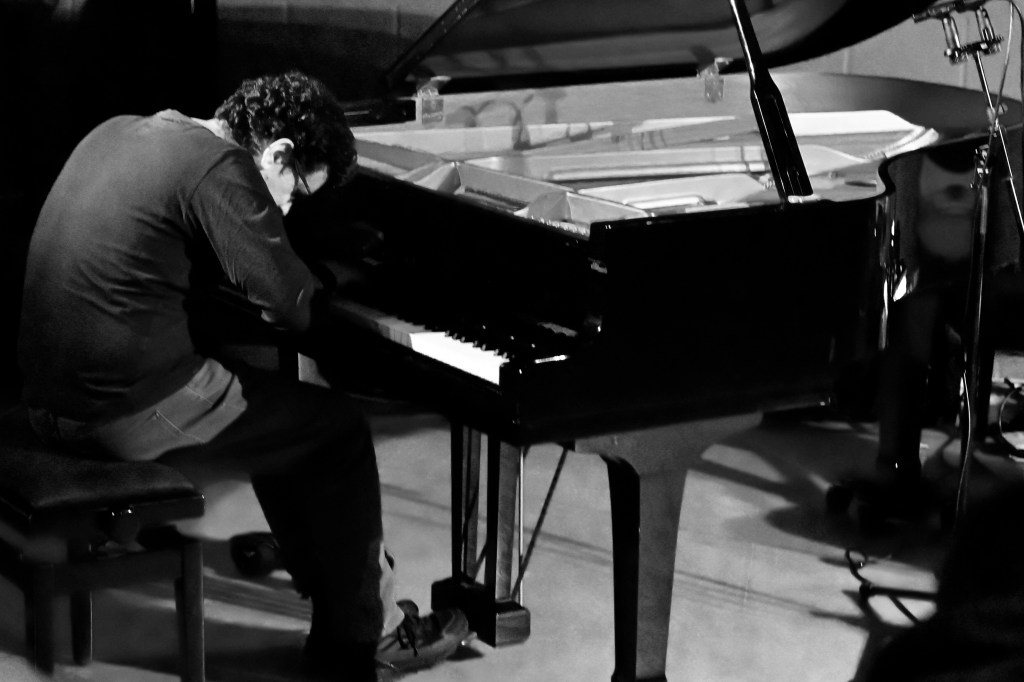
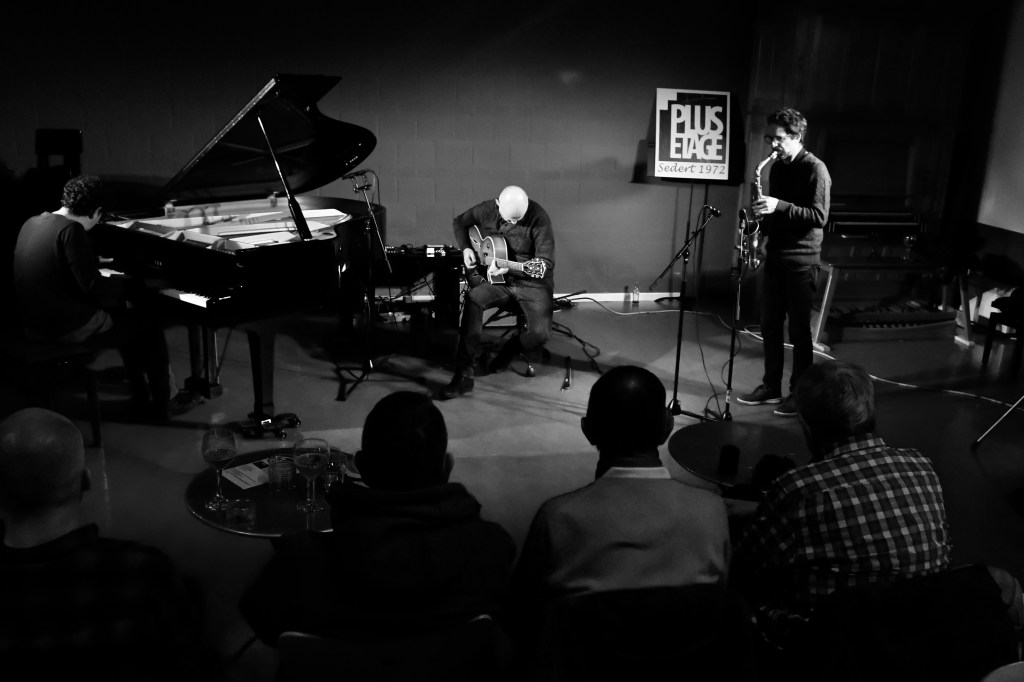
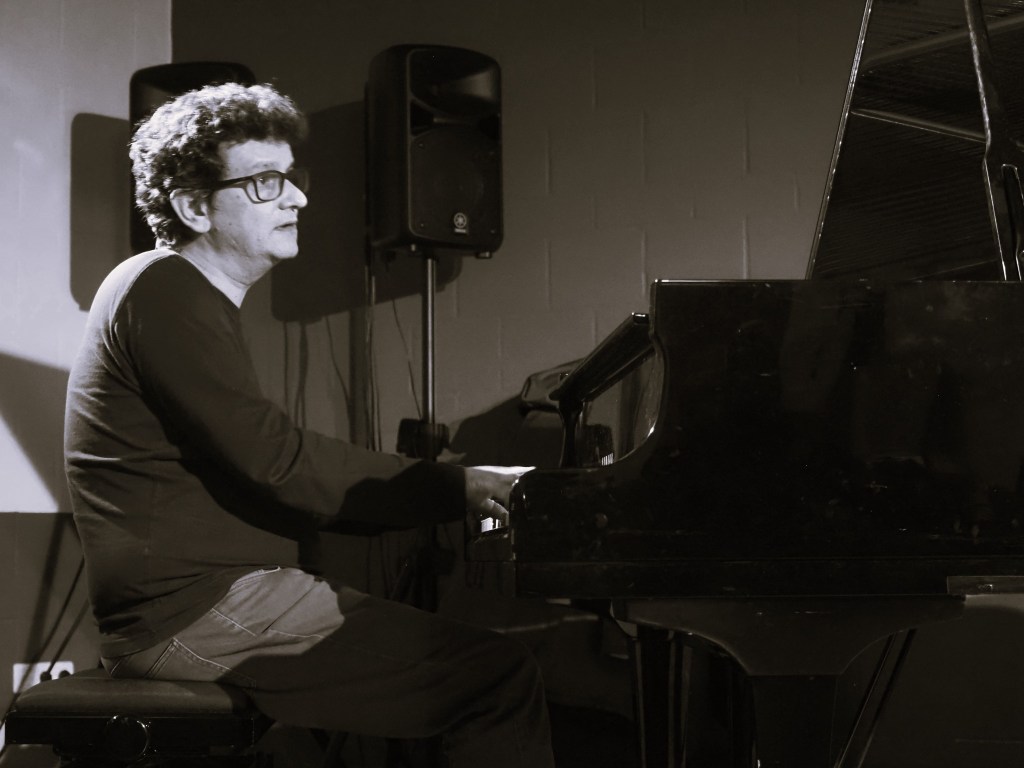
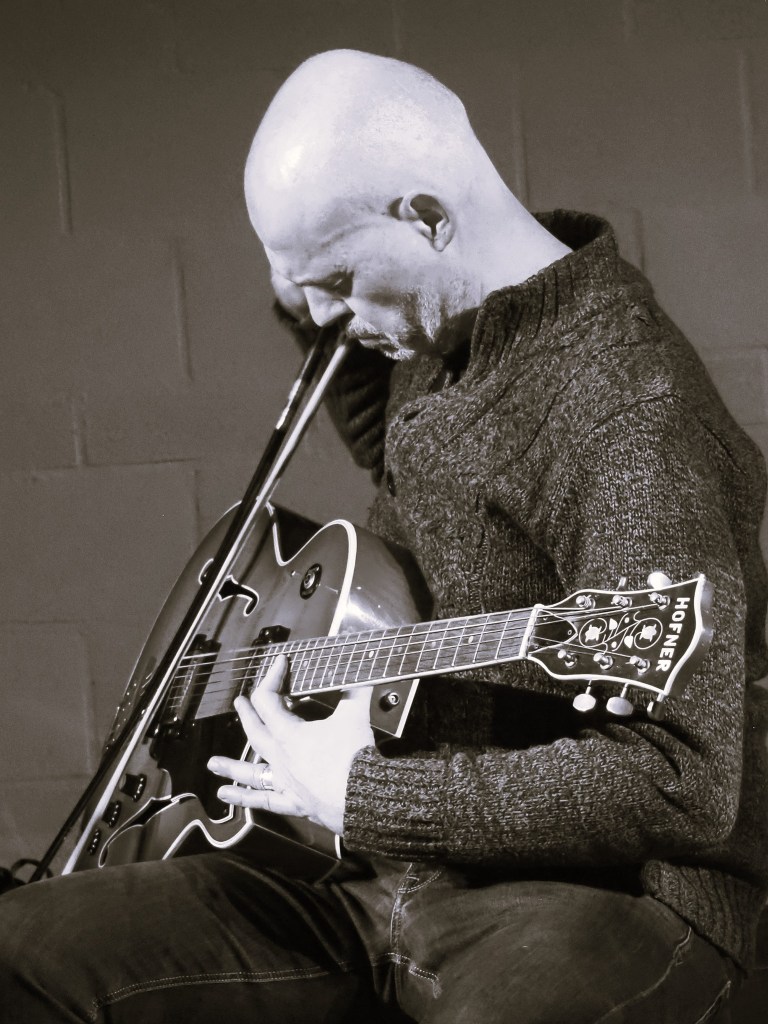
Last Saturday TRANSITION UNIT, the brand-new trio of RODRIGO PINHEIRO (piano), JOSÉ LENCASTRE (sax) and DIRK SERRIES (guitar), landed in jazzclub PlusEtage to promote their debut album FACE VALUE. Lovely audience, great vibe and Ben Taffijn of Nieuwe Noten was there and wrote a nice review. The photos are courtesy of Marcel Thomassen of PlusEtage and Jef Van den Broek.
“Enkele maanden geleden kwam het eerste album uit van Transition Unit, een trio bestaande uit saxofonist José Lencastre, pianist Rodrigo Pinheiro en gitarist Dirk Serries, op Serries’ label A New Wave of Jazz. Ik betoonde mij enthousiast over dit afwisselende ‘Face Value’. De opnames vonden overigens al in mei 2023 plaats in een studio in Portugal. Wat er sindsdien niet van kwam was optreden voor publiek, tot gisterenavond dus, als onderdeel van de serie concerten die Serries organiseert in samenwerking met de PlusEtage in Baarle-Nassau. Met deze twee musici in de buurt neemt Serries ook direct de kans waar om dezer dagen opnames te maken voor een tweede album.
In mijn verslag over het eerste album vallen termen als “abstract”, “weerbarstig” en “onstuimig”, naast dat er sprake is van “uiterst ingetogen klanken”. Zelfs word ik zo nu en dan melodische patronen gewaar. Het zijn etiketten die ik één op één ook op dit concert kan plakken, zo blijkt al snel. Neem die eerste set, die vrij voorzichtig, verkennend van start gaat met Lencastre en Pinheiro, die elkaar vrij goed kennen en samen ook deel uit maken van José Lencastre’s nau quartet, iets dat je goed terughoort tijdens dit concert. Serries biedt ondersteuning aan het bouwwerk dat hier langzaam maar geleidelijk vorm krijgt. Pinheiro en Serries dragen zorg voor de bedding, waar Lencastre zijn vaak opvallend melodieuze patronen overheen legt. Soms loopt het tempo op en overheerst de ritmiek, waar Lencastre met zijn felle klanken dan nog maar net doorheen weet te breken, maar vaak gaat het er ook veel meer ingetogen aan toe. Een opvallend moment in de eerste set doet zich ongeveer halverwege voor: Pinheiro en Serries stappen over op een wat slepende ritmiek, de tot op dat moment heersende abstractie te niet doend. Aanleiding voor Lencastre, de gehele avond te horen op zijn altsax, om een enigszins getormenteerde, maar aantrekkelijke melodie te blazen. De spanning loopt wat op, de ritmiek krijgt een nog sterker meeslepend karakter. Uiteindelijk blijft louter Pinheiro over, met enkele noten een brug slaand naar een wederom meer abstracte frase. En ook nu loopt de spanning op en is het met name Lencastre die opvalt met zijn heftig, sputterende spel, aangevuurd door Pinheiro wiens handen zich razendsnel over de toetsen bewegen en Serries die zijn gitaar met de strijkstok bewerkt, een geluid producerend dat, zoals ik eerder opmerkte, meer wegheeft van een contrabas dan van een gitaar.
Het begin van de tweede set lijkt op die van de eerste, al zijn het nu Lencastre en Serries die aftrappen. Lang duurt het ingetogen spel hier niet, al snel schiet het trio weer vol in de actie en spreiden Pinheiro en Serries de loper uit voor Lencastres doldwaze uitspattingen. Prachtig hoe deze drie musici elkaar hier opstuwen tot grote hoogte, volledig verdiept in hun spel. En ook hier is abstractie weer het codewoord, al wil zeker Lencastre nog wel eens richting de melodie bewegen. Zoals gezegd, het gaat er ook regelmatig veel minder heftig aan toe. Zo horen we in die tweede set een prachtig ingetogen dialoog tussen Pinheiro en Serries, met karige klanken vindt er een boeiend vraag- en antwoordspel plaats. En als Lencastre zich er uiteindelijk bijvoegt, doet hij dat met een vrij donkere, sonore klank, er alles aan doend om dit fragiele bouwwerk aan te vullen, in plaats van te verstoren. Een aantal duetten tussen Pinheiro en Serries verderop in deze set sorteren hetzelfde effect. Telkens vormen die ook weer de opmaat tot meer hectische frases. Eén daarvan valt vooral op en dat is die waarin Serries wederom naar zijn strijkstok grijpt. Nu trekt hij deze zo strak over zijn snaren dat het eerder klinkt alsof hij planken aan het zagen is dan gitaar aan het spelen. Het vormt de opmaat tot één van de meest heftige momenten tijdens dit concert, een wervelstorm aan klanken trekt er door de zaal.” Ben Taffijn/Nieuwe Noten
The ever reliable and highly productive SPONTANEOUS MUSIC TRIBUNE has been sharing their views with us on the free improvised, experimental, avant-garde and free jazz for more than a decade.
Here they review our latest 4 new releases. All of them available through our bandcamp store.
The New Wave Of Jazz’ Axis: Tonus! Lemadi Trio! Transition Unit! Verhoeven Quintet!
Belgijski label New Wave Of Jazz, dowodzony przez Dirka Serriesa, zamyka rok bieżący sześcioma wydawnictwami. O dwóch styczniowych premierach pisaliśmy sto lat temu, jak zwykle ciepłymi i nasyconymi radością z odsłuchu słowami. Dziś czas na cztery premiery jesienne.
Szaro-białe okładki NWOJ towarzyszą nam już od dekady, ale od roku ubiegłego Dirk proponuje nam także okładki czarno-białe, zdobione artystycznymi zdjęciami Martiny Verhoeven, a wszystko pod nowym szyldem, rodzajem sublabelu o nazwie Axis. Wszystkie jesienne premiery, to właśnie dzieła opatrzone tą nazwą własną.
W gronie artystów na każdym premierowym krążku odnajdujemy niemal te same nazwiska, w układzie instrumentalnym również zaskakująca koherentność. A jednak każde z nagrań jest inne. Tonus, to tradycyjnie abstrakcyjny post-minimalizm, trzy pozostałe, to swobodny, niczym nieskrępowany post-jazz, z odmiennym wszakże poziomem intensywności – od zmysłowej kameralistyki po erupcje gorącego free jazzu. So, what ever you want!
Tonus Analog Deviation (CD, 2024)
Studio domowe, Brecht, sierpień 2023: Dirk Serries – archtop guitar, Benedict Taylor – altówka, także w wersji połamanej oraz Martina Verhoeven – fortepian. Dwie improwizacje, 52 i pół minuty.
Idea minimalistycznego improwizowania pod nazwą Tonus towarzyszy artystycznej drodze Dirka Serriesa od lat. W wymiarze personalnym miała tysiące twarzy i tyleż konfiguracji – od małych składów do sporych rozmiarów orkiestr. Świetnie pamiętamy Oktet, jaki performował na Spontanicznym Festiwalu dokładnie pięć lat temu. Tegoroczna edycja Tonusa powraca do ulubionej chyba formy trzyosobowej i proponuje nam … dalece temperamentną i reaktywną wersję, która zdaje się sytuować na przeciwległym biegunie ekspresji i intensywności w stosunku do przywołanego, poznańskiego Oktetu. Emocje, emocje, emocje, i któżby je kojarzył w Tonusem?
Pierwsza z wielominutowych improwizacji rozpoczyna się w aurze definitywnie minimalistycznej. Altówka zgrzyta, jęczy, z bólem wydaje nawet najdrobniejszą frazę, z oddali docierają strzępy dźwięków fortepianowych strun, a półpętle z gitary przypominają drobne koraliki w pieczołowicie kleconym paciorku. Frazy Martiny i Benedicta wydają się teraz wyjątkowe mroczne, jedynie leniwe podrygi Dirka pochodzą z wyższych warstw narracji. Mimo typowych dla Tonusa charakterystyk opowieść ma zaskakująco linearny kształt, a interakcje pomiędzy artystami są nad wyraz częste. Pianistka potrafi uderzać w struny lub klawisze z intrygującą intensywnością, altowiolinista nie skąpi zwinnych post-melodii, a akcje gitarzysty chętnie przyjmują postać rozbudowanych konfiguracji akordów. W tej części albumu szczególnie urocze są okolice trzynastej minuty, wypełnione plejadą fraz preparowanych. Z kolei w okolicach osiemnastej minuty muzycy wchodzą w zwinne interakcje cedząc przez zęby doprawdy filigranowe porcje fonii, obtaczane krótkotrwałymi plastrami ciszy.
Koncepcja generowania nanofraz zdaje się wypełniać także start drugiego seta. Muzycy reagują tu na siebie metodą zbliżoną do naszej ulubionej call and response. Z czasem pojawiają się drobne zarysy rytmu, będące efektem gitarowych repetycji Serriesa. Wokół krążą obłoki szmerów i szumów, na ogół od Verhoeven, nie brakuje też pojękujących fonii od Taylora. Czuć posmak bluesa, słychać dźwięk fortepianowych klawiszy. Nim upłynie kwadrans muzycy serwują nam coś na kształt eskalacji, szukają dynamiki, zaczepiają się wzajemnie, wchodzą w nieustanne, post-kameralne zwarcia, choć bywa, że ich narzędziem zbrodni jest pojedynczy dźwięk. W końcowej fazie improwizacji na gryfie gitary pojawia się smyczek. Każdy strzyga teraz uszami i zachęca partnerów do wzmożonych interakcji, a improwizację wieńczą zagrywki definitywnie dalekie od tonusowej idei minimalizmu.
Lemadi Trio Canonical Discourse (CD, 2024)
Studio domowe, Brecht, marzec 2024: José Lencastre – saksofon altowy, Dirk Serries – archtop guitar, Martina Verhoeven – crumar piano. Cztery improwizacje, 54 minuty.
To portugalsko-belgijskie trio ma nazwę własną od swych narodzin, a prezentowane nagranie jest drugim w jego dorobku. W warstwie muzycznej zdaje się być post-jazzem, który świetnie czuje się w kameralnych okolicznościach, zdobiony plejadami smakowitych lub bardzo smakowitych dźwięków preparowanych. W zakresie brzmienia nie bez znaczenia jest fakt, iż pianistka nie korzysta tu z grand piano, ale bardziej filigranowego crumar piano.
Pierwsze dwie improwizacje stanowią o jakości całego przedsięwzięcia. Obie są silnie reaktywne, wyczulone na drobiazgi, szyte dobrymi pytaniami i jeszcze lepszymi odpowiedziami. Obie rodzą się w mroku zaniechania, pełne są preparowanych dźwięków, szczególnie ze strony pianistki. Grane na wdechu, symbiotyczne frazy budują tu kolektywny flow bez zmrużenia oka. W momentach, gdy Verhoeven przenosi się na klawiaturę, artystów natychmiast dopadają emocje free jazzu. W chwilach wystudzenia ich narracja nabiera nostalgii, rezonującej poświaty i wykwintnej, saksofonowej post-melodyki. W pierwszej odsłonie warto także odnotować imponujący brzmieniowo duet inside piano i gitarowego smyczka, z kolei w drugiej szczególnie udane są fragmenty perkusjonalnego piana i niemal rockowej gitary, którym wtóruje rozkrzyczany saksofon.
Początek trzeciej opowieści spoczywa na barkach gitarzysty. Pianistka stuka po pudle rezonansowym, a saksofonista cedzi kolejne, melodyjne frazy. Narracja dość szybko nabiera free jazzowych rumieńców, po czym zastyga w ciszy rozmodlonego inside piano. Druga faza tej improwizacji okazuje się dość przewidywalna. Post-jazzowa powolność, dbałość o czystość frazy, rodzaj dramaturgicznego rozdroża. Ostatnia improwizacja ma nieco molowy klimat, ale w zakresie emocji, jakie budzi, bliżej jej do poprzedniczki niż do dwóch pierwszych, nasączonych wyjątkową jakością opowiadań. Wyważony, dobrze zbilansowany chamber jazz towarzyszy już nam do końca albumu, który z pewnością mógłby być o kilka minut krótszy.
Transition Unit Face Value (CD, 2024)
Estúdio Timbuktu, Lizbona, maj 2023: José Lencastre – saksofon altowy i tenorowy, Rodrigo Pinheiro – fortepian oraz Dirk Serries – archtop guitar. Sześć improwizacji, 51 minut.
Kolejne trio także ma nazwę własną, skład instrumentalny niemal bliźniaczy z poprzednim, powstało wszakże w Lizbonie, a w rolę pianisty (grand piano!) wcielił się świetnie rozpoznawalny w naszej części świata Rodrigo Pinheiro. Być może za przyczyną preferencji estetycznych tego ostatniego nagranie zdecydowanie sytuuje się w jazzowym klimacie, z pewnością zasługę na miano kategorii open, ale wycieczki w kierunku soczystego free nie należą tu do rzadkości.
Improwizacja otwarcia śmiało zasługuje na miano dostojnie kroczącego chamber jazz – odrobina mroku, gitarowy smyczek i bardziej linearnie frazujące piano z klawisza. Druga opowieść startuje z pozycji wystudzonej ballady, kończy zaś w oparach rzęsistego, dynamicznego jazzu. Muzycy stylowo kooperują, a wszystkie elementy ich gry zdają się idealnie do siebie pasować. Od opowieści trzeciej emocje zaczynają rosnąć. Gitara śle kilka post-rockowych zadziorów, wystudzone piano łapie rytmiczny pazur free jazzu, podobnie jak melodyjny, zalotny, a jednak czupurny saksofon. Wszakże najciekawiej jest na spowolnieniu, gdy pianista proponuje intrygującą ekspozycję wspierając się gitarowymi zdobieniami.
W czwartej odsłonie artyści dokładają do obrazu całości garść nowych elementów – ambientowe tło, rezonujące frazy inside piano i bolesny tembr dęciaka. Mroczna, budowana długimi pociągnięciami pędzla narracja najpierw wytacza kameralny arsenał, potem zmyślnie ucieka w dynamiczny free jazz. Świetne momenty notuje tu saksofonista, który bierze na swoje barki odpowiedzialność za kształt całej improwizacji. Piąta historia tkana jest znów bardzo kolektywnie i odbywa drogę od kameralnego, spokojnego otwarcia, po intensywne, post-jazzowe rozwinięcie. I znów na wiele ciepłych słów zasługuje saksofonista. Końcowa opowieść jest silnie unerwiona i nasączona intrygującą tanecznością. Lekka, bystra, bez jednego zbędnego dźwięku. Dużej w niej melodii, niemal rockowe zagęszczenie oraz nostalgiczna, dość wolno postępująca finalizacja.
Martina Verhoeven Quintet Indicator Light – Live at Paradox 2023 (CD, 2024)
Paradox, Tilburg, luty 2023: Gonçalo Almeida – kontrabas, Onno Govaert – perkusja, Dirk Serries – gitara, Martina Verhoeven – fortepian oraz Colin Webster – saksofon altowy. Jedna improwizacja, 43 i pół minuty.
Ten międzynarodowy kwintet znamy doskonale, podobnie jak każdego z artystów z osobna. Nagranie koncertowe z tilburskiego Paradoxu nie wnosi zatem nic nowego do naszej wiedzy o współczesnej muzyce improwizowanej o silnie free jazzowych korzeniach, ale słucha się tej erupcji kolektywnej i indywidualnej kreatywności doprawdy wyśmienicie.
Inauguracja koncertu jest spokojna, minimalistyczna i opiera się w dźwiękach gitary i kontrabasu. Nerwowa perkusja i plamy inside piano pojawiają się po dwóch minutach, a zaraz potem ciepły, jazzowy tembr saksofonu. Kwintet bez zbędnej zwłoki wchodzi w tryb marszowy nasączony swingującymi synkopami. Gdy szefowa bandu przechodzi na klawiaturę, formacja bez trudu sięga po free jazzowe atrybuty. Dzięki temu, jeszcze przed upływem dziesiątej minuty, scena płonie ogniem soczystej wymiany uprzejmości. Pierwszy stopping jest dość gwałtowany i szybko przenosi nas do kameralnych, mrocznych otchłani zdobionych dwoma smyczkami, dętym dronem, pianistycznym drżeniem i perkusjonalnymi igraszkami. Rozhuśtana narracja, wsparta na mantrującym smyczku kontrabasu, sprawnie powraca do wysokiego poziomu ekspresji sprzed kilku minut. Nim upłynie dwudziesta minuta na scenie ma już miejsce prawdziwa rzeź niewiniątek.
Kolejne stadium koncertu nie jest typowym wystudzeniem, a raczej umiarkowanie ekspresyjną, jazzową akcją w wykonaniu saksofonowego trio, a niedługo potem kwintetu. Trzecią dziesiątkę minut wieńczy z kolei fragment, którą śmiało możemy uznać za jeden z najbardziej urokliwych momentów koncertu. Na tle dogrywającego dęciaka rodzi się filigranowe duo gitarowego smyczka i dźwięków z samego dna pudła rezonansowego fortepianu, które po kolejnych kilku chwilach uzupełnia kontrabasowy smyczek. Owe chamber games z czasem ewoluują w kolejną tego wieczoru swingującą ekspozycję, zarówno w wersji pełnej, jak i bez udziału saksofonu. Ostatnie pięć minut spektaklu, to czas na prawdziwą eksplozję mocy. Każdy dociska teraz gaz i sprawia, iż rzeczywistość po obu stronach sceny staje w ogniu aż po kres wydarzenia.
This Saturday December 14th TRANSITION UNIT, consisting of the amazing Portuguese musicians RODRIGO PINHEIRO on grand piano, JOSE LENCASTRE on sax and Belgian guitarist DIRK SERRIES, is playing an exclusive/one-off concert at jazzclub PlusEtage in Baarle-Nassau/Baarle-Hertog (The Netherlands/Belgium). Kick off is at 8.30pm. All information you can find on the PlusEtage website. Absolutely not to be missed.
“4 out of 5 stars rating! Face Value is an improv album that rewardingly shifts between darting angularity, glum moodiness, and pulse-pumping manic-ness. As far as I can gather Face Value is the first release from Transition Unit – though of course all of the members have been active within the European improv/avant-jazz movement. And I must say it’s both a wonderful engaging album, which marvellously darts, twists, and broods… Let’s hope there is more to come from Transition Unit!.” Musique Machine – UK
UK’s Musique Machine just reviewed two of our latest releases with a 4 out of 5 stars rating for the LEMADI TRIO album. Both albums are of course available from our shop on bandcamp.
“4 out of 5 stars rating ! Canonical Discourse is a four-track journey into taut, tense, and largely angular improv. It’s a release that wonderful shifts and awkwardly shambles along- through the jarring, discordant, noisy and intense. The CD/ digital release appears on New Wave Of Jazz, and features two of the label’s key players- Dirk Serries who curates/ runs the label, and his wife Martina Verhoeven- he plays archtop guitar and she plays the grand piano. They are joined on alto sax by José Lencastre. Each of the four tracks has runtimes between eleven and fifteen-minute mark- with each of them having a fair bit of rewarding shift/ movement within their length. We open with the track “Detached Mode” which moves from taut maps of fluttering hisses, bounding piano hits, and guitar scarp ‘n’ manic pick. Onto slowly churning hazes of steadily horn fork ‘n’ boil, gloomy piano clunk, and broodingly guitar jangle/ clutter. As we move through the album we come to the longest track “Disjunction”. It opens with a jagged trail of manic neck picks, squawking horn tone, and bass-bound piano clunk ‘n’ dart. As we move on we shift into rapid string scrubs, speeding key runs, and cheeky to seared horn tone trailing. The album plays out with “Little Emphasis” which moves from hushed and drowsy blends of guitar pick drifts, compressed horn wonders, and steady-if-wavering key-clattering. Later on moving into mixes of darting-yet-gloom key shift, steady horn flirt, and baying to moodily rolling guitar tone detail. It’s fair to say I enjoy most of New Wave Of Jazz’s output- but Canonical Discourse really stood as something rather special to me. It’s down to its blend of engaging annularity, the feel of tense gloominess, and the constant shift/ development of each of the tracks here. As with all of this labels releases the CD has a pressing of just 200 copies- so I’d act sooner than later, if you enjoy where angularly and broodingly gloomy improv meets….”
“Indicator Light is a forty-three-minute improv/ free jazz recording which moves from briefly dwelling in the unease and gloomy. Before shifting gear to the pacey and angular, through to the woozy and careering. It’s a recording from a 2023 live show- with the whole set captured in an up-close, yet crystal-clear manner. The Martina Verhoeven Quintet brings together- Gonçalo Almeida – double bass. Onno Govaert -drums. Dirk Serries – guitar. Martina Verhoeven – grand pianoand Colin Webster – alto sax.The single 43. 32 track opens up grim and uneasy with lumbering bass stumbles, moody guitar strums ‘n’ simmers, percussive slides, and driftingly forlorn sax trails. As we move on we go through intense runs of rapidly bounding keys, manic sax bays and wails, crashing drum lines, and untamed guitar strums. Though to cascading paino runs, pumped-up horn wail ‘n’ screams, searing cymbal rush, and guitar hiss ‘n’ clutter. As we move into the second half of the set we move from a bounding/ slight jarring groove, cut with baying horn rapidity, swirling piano key chaos. Though to manic bass run, key clunk, guitar buzz ‘n’ purr, and percussive sear ‘n’ shift. Indicator Light is a great pulse-pumping and mind-racing drive into the improv form. If you are in the mood for something largely firey, unforgiving, but eventful- this is a good fit.” Musique Machine – UK







 A New Wave Of Jazz
You must be logged in to post a comment.